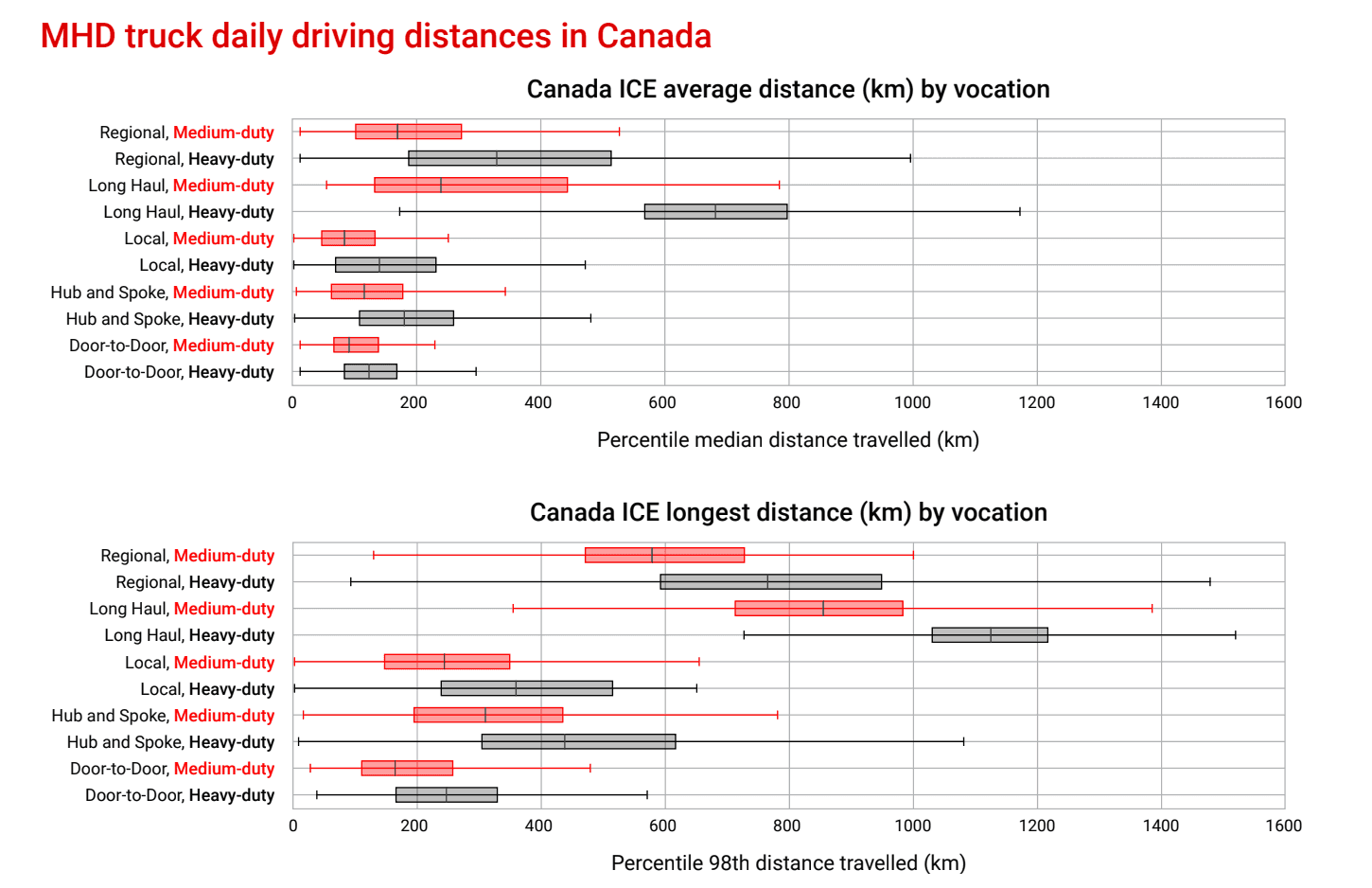


Conducting a grid impact assessment is a critical step in the site selection process for new infrastructure projects, such as commercial EV charging station installations. This assessment helps electric utilities forecast potential peak load impacts on the distribution grid and plan accordingly.
By leveraging insights from the movement and domicile patterns of existing commercial electric vehicles, utilities can better assess site locations, charging capacity requirements and anticipated charging behaviors based on the types of vehicles frequenting those locations. This allows for more accurate estimates of site energy demands and predictions of peak load periods by time of day and month.
These insights help tailor projects to meet the specific energy requirements of each site while also guiding the selection of optimal locations based on real vehicle movement data. Utilizing mobility analytics in infrastructure planning drives long-term ROI and use of infrastructure.
What are mobility analytics?
Mobility analytics are data points that detail common commercial vehicle characteristics and movements within a defined area. They can provide a vast range of insights, from total vehicle numbers and route tendencies to vehicle types and harsh driving events. Mobility analytics vary from region to region and help organizations offer better transportation solutions in a variety of ways, including through new construction projects, infrastructure maintenance or policy enactment. With these localized, actionable transportation insights, utility and infrastructure companies can maximize investment potential and direct their plans in smarter ways.